
Mastering the Art of Portrait Photography: Tips and Techniques for Stunning Shots
- Edmund Chong

- Jul 18, 2024
- 7 min read
Updated: Feb 3
The art of portrait photography goes far beyond capturing a person’s appearance. It is about revealing character, emotion, and story through light, composition, and human connection. A successful portrait allows the viewer to feel something confidence, vulnerability, strength, or warmth all within a single frame.
Whether you are just starting out or refining your skills, understanding both the technical and creative aspects of portrait photography is essential.
This guide, Venture Studio help you to explore the core principles that help photographers create portraits that feel intentional, expressive, and visually compelling.

Key Takeaways
Lighting choice shapes mood, depth, and emotional impact in portrait photography |
Strong composition and posing help reveal personality, not just appearance |
The right camera and lens improve consistency and creative control |
Mastering aperture, shutter speed, and ISO defines the look of a portrait |
Building rapport with your subject leads to more natural, authentic expressions |
Understanding Lighting in Portrait Photography
Lighting is the foundation of the art of portrait photography. It defines how facial features are sculpted, how skin texture is rendered, and how emotion is conveyed within the frame. The same subject can appear dramatically different depending on how light is shaped and directed.
Natural light produces soft, authentic results when used intentionally, such as near large windows or during golden hour. Artificial lighting, on the other hand, offers consistency and precise control, making it ideal for studio and commercial work.

In portrait photography, the quality, direction, and contrast of light are far more important than sheer brightness.
Side lighting adds depth and dimension, front lighting softens features, and backlighting creates separation or visual drama. Mastering light control rather than relying on more light is what elevates portraits from simple images to professional, expressive photographs.
Pose and Composition Techniques
In the art of portrait photography, posing defines presence and composition defines impact. A strong portrait depends on both working together with intention. The goal is not to force a subject into position, but to guide them toward posture and placement that feels natural while remaining visually refined.
Subtle adjustments matter most. Small changes in shoulder angle, head tilt, eye line, or weight distribution shape how the subject is perceived. These details influence confidence, balance, and facial structure far more than dramatic posing ever could.
Composition determines where attention lands. Clean backgrounds, controlled negative space, and thoughtful framing ensure the viewer’s focus stays on expression rather than distractions.
Techniques like the rule of thirds are not rules to follow blindly, but tools to create visual flow and emphasis.

When posing and composition are handled deliberately, the portrait communicates more than appearance. It directs the viewer’s eye, supports emotion, and reinforces the subject’s story with clarity and purpose.
Essential Equipment for Portrait Photography
In the art of portrait photography, equipment does not replace skill but the right tools remove friction, improve consistency, and allow creative decisions to be executed with confidence.
Well-chosen gear supports lighting control, subject separation, and repeatable results across different environments.

Choosing the Right Camera
Both full-frame and crop-sensor cameras are fully capable of producing high-quality portraits. Full-frame cameras provide advantages in low-light performance, dynamic range, and depth-of-field control, making them ideal for studio and professional work.
Crop-sensor cameras remain an excellent option for photographers prioritising portability and budget, especially when paired with strong lenses.

What matters most is not the sensor size, but the camera’s ability to deliver reliable colour, accurate focus, and consistent exposure.
Selecting the Right Lens for Portrait Work
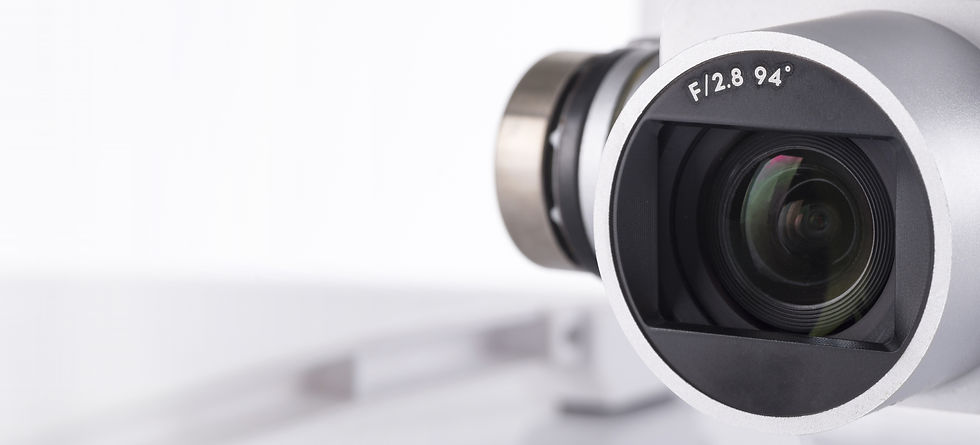
Lenses have a greater impact on portrait aesthetics than camera bodies. Prime lenses such as 50mm and 85mm are widely used because they produce natural facial proportions and allow for shallow depth of field, helping subjects stand out cleanly from the background.
Zoom lenses offer flexibility in dynamic or environmental portrait situations, where framing needs to change quickly. The key consideration is not focal length alone, but how the lens renders perspective, compression, and background separation.
Must-Have Accessories That Improve Results
Supporting equipment plays a critical role in maintaining quality and efficiency during portrait sessions:
Tripods provide stability and consistent framing, especially in studio or low-light setups |
Reflectors and diffusers shape and soften light, improving skin tones and reducing harsh shadows |
External flashes or strobes allow precise lighting control and creative flexibility |
Seamless backdrops create clean, distraction-free environments for studio or portable shoots |
When equipment is chosen intentionally, it fades into the background allowing the photographer to focus fully on expression, connection, and storytelling.
Mastering Camera Settings for Portraits
In the art of portrait photography, technical control exists to serve creative intent. Camera settings are not about numbers alone, but about shaping how a subject is separated, rendered, and perceived within the frame.
A wide aperture, typically between f/1.8 and f/2.8, produces shallow depth of field, drawing attention to the subject while softening the background. Shutter speed determines motion clarity, ensuring expressions remain sharp and natural. ISO is then used as a refinement tool, balancing exposure while preserving detail and minimising noise.

When aperture, shutter speed, and ISO are managed deliberately, photographers can maintain visual consistency across changing lighting conditions without compromising mood, clarity, or style.
Post-Processing Tips for Portrait Photography
In the art of portrait photography, post-processing is not about fixing mistakes, it is about refining intention. A professional workflow treats editing as a continuation of capture, ensuring the final image remains authentic while meeting commercial and aesthetic standards.
Refined Retouching, Not Overcorrection
Effective retouching begins with subtle exposure and white balance adjustments to establish a natural base. Skin work should focus on texture preservation rather than surface perfection.
Minor blemish removal and gentle eye enhancement should support the subject’s appearance without altering their character or identity.
Colour Accuracy and Controlled Grading
Accurate skin tones are critical in portrait photography. Careful colour correction ensures consistency across different lighting environments, while restrained colour grading helps reinforce mood without distorting reality.
The goal is cohesion and believability, not stylisation for its own sake.

Detail Enhancement with Restraint
Selective sharpening draws attention to key features such as the eyes while avoiding harshness in skin tones. Soft vignettes and controlled contrast subtly guide the viewer’s focus, enhancing depth and separation without revealing the hand of post-production.
When post-processing is handled with discipline, the result is a portrait that feels polished, intentional, and timeless never artificial.
Connecting with Your Subject
At the heart of the art of portrait photography is human connection. Technical skill creates clarity, but trust creates authenticity. When a subject feels at ease, expressions become natural, posture relaxes, and emotion reads clearly in the frame.
Effective portrait photographers communicate throughout the session. Simple conversation, clear guidance, and transparency about what you are doing help reduce tension and build confidence. A calm, unhurried pace allows subjects to settle into themselves rather than perform for the camera.

In many cases, the strength of the photographer–subject relationship has a greater impact on the final image than camera settings or lighting choices. Genuine connection is what turns a well-lit image into a meaningful portrait.
Creative Techniques for Unique Portraits
Creative portrait photography becomes meaningful when techniques are chosen to reinforce mood, character, or narrative.
Below are practical creative approaches and when to use them effectively.
Low-Key and High-Contrast Lighting | Using a single, directional light source placed to the side or behind the subject creates strong contrast and shadow. This technique works well for portraits that aim to convey intensity, confidence, or introspection, allowing facial structure and expression to carry emotional weight. |
Environmental Portraits | Photographing subjects within their real working or living environments adds context and authenticity. A chef in a kitchen, an artist in a studio, or a founder in their workspace allows surroundings to become part of the story rather than a backdrop. |
Reflections for Layered Storytelling | Reflections from mirrors, windows, or glass surfaces can introduce visual layers that suggest duality, introspection, or movement. When used carefully, reflections add depth without distracting from the subject’s expression. |
Motion Blur with Sharp Focus | Combining a slower shutter speed with controlled movement allows parts of the frame to blur while the subject remains sharp. This technique conveys energy or transition and works well for expressive or conceptual portraits. |
Negative Space for Emphasis | Placing the subject within a large area of empty or minimalist space increases visual impact and emotional clarity. Negative space draws attention to posture and expression, making portraits feel intentional and refined. |
Colour as a Narrative Tool | Using controlled colour palettes either through wardrobe, lighting gels, or environment helps reinforce emotion. Muted tones create calm and restraint, while bold colour contrasts add drama or personality without overpowering the subject. |
Bringing Technique and Emotion Together in Portrait Photography
The art of portrait photography lives at the intersection of technical control, visual intention, and genuine human connection. When light, composition, equipment, and communication are handled with purpose, portraits move beyond documentation and become expressive, considered, and emotionally resonant.

With consistent practice, patience, and curiosity, portrait photography becomes more than capturing faces. It becomes a way of understanding people and translating their presence into visual stories. This is the same philosophy that guides our work at
Understanding the Art of Visual Storytelling, where portrait photography is approached not just as an image-making process, but as a craft built on intention, trust, and clarity.
Frequently Asked Questions
How can I make my portraits more engaging?
To make your portraits more engaging, focus on capturing the subject's emotions and personality. Use interesting backgrounds, and experiment with different lighting and angles.
What can I do to ensure my subject is comfortable during the shoot?
To make your subject comfortable, build a rapport with them. Talk to them, make them laugh, and give them clear directions to help them relax.
Should I use artificial or natural light for portrait photography?
Both artificial and natural light have their advantages. Natural light is softer and more flattering, while artificial light gives you more control over the scene.
What are some essential accessories for portrait photography?
Some must-have accessories include a good quality tripod, reflectors, diffusers, and extra batteries. These tools can help you manage lighting and keep your camera steady.
How do I choose the right lens for portrait photography?
For portraits, a lens with a focal length between 50mm and 85mm is ideal. These lenses provide a natural look and help to blur the background, making the subject stand out.
What basic retouching techniques should I use for portrait photography?
Basic retouching techniques include removing blemishes, adjusting the brightness and contrast, and enhancing the eyes and smile. These small adjustments can make a big difference in the final image.


Comments